Sound Dialogue: Voision Xi
Asia’s music scene has seen a rapid rise in recent years, with emerging artists revitalising music communities, and new platforms, festivals, and events flourishing in cities across the continent. With this project ‘Sound Dialogue’, TSUBAKI fm takes a deep dive into these music culture hotspots, aiming to share a spotlight on new artists and vibrant local scenes which are otherwise underrepresented in Japan, connecting communities across Asia.
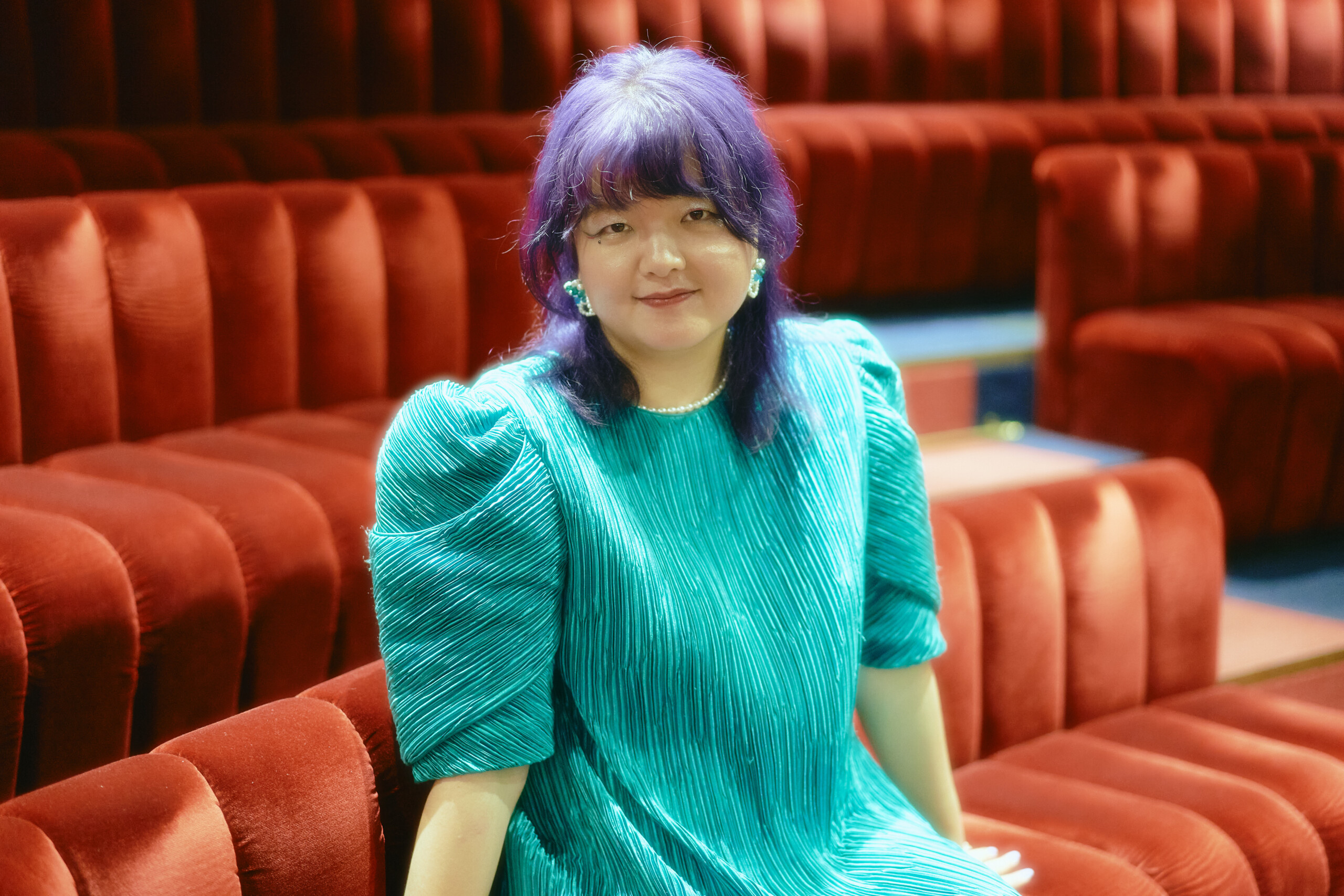
For the third installment, we are in conversation with Voision Xi, a jazz vocalist based in Shanghai, China. Starting her career working for JZ Music, her up close experience in the industry as well as her love of Classic Jazz helped her transition into becoming a performer, first with her ensemble The Little Happiness Group, then releasing music under her solo project. Though her solo career has just gotten started, she has carved a distinct sound for herself, fusing different genres, textures and influences, and has already released 2 full length albums- most recently her album ‘Queen and Elf’ in 2024.
In this interview, Voision shares her journey into becoming a musician, her experience creating and touring her most recent album ‘Queen and Elf’, and ambitions for future collaborative projects.
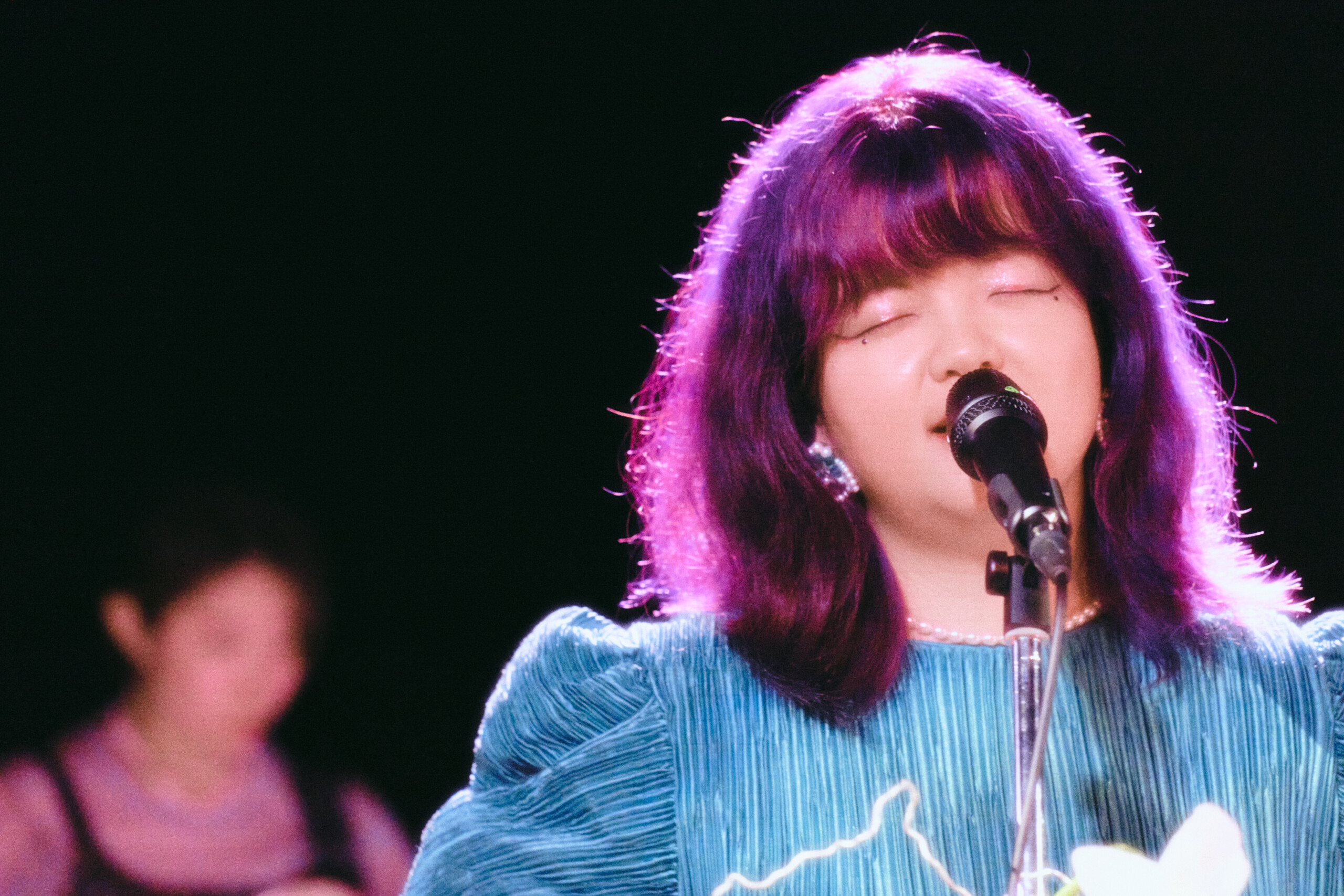
-Could you start by introducing yourself and telling us about your musical background—what got you into music and eventually performing?
Hello, I’m Xi Chenchen, an independent musician from China.
I’ve been listening to music for a very long time, but I haven’t been a professional musician for that long. In recent years, I’ve released two full-length albums, as well as some singles and EPs, and I’ve collaborated with other musicians.
I’m mainly based in Shanghai, but there are many other places I enjoy visiting and hope to spend more time in. Tokyo is one of them. Every time I come here, I feel curious and inspired, and those experiences often influence my work when I return to China.
Before becoming a musician, I actually worked behind the scenes in the music industry—doing planning, coordination, and supporting other artists. Through that, I learned how music companies operate, how events are organized, and what it takes to be a professional artist.
Later, I realized that I also had some talent for performance. That’s when I gradually transitioned into being a performer and began creating my own music. That’s how I became who I am today.
-And in childhood did you play any music or have an interest in becoming a musician?
When I was very young, people said I was good at singing. But my parents didn’t take the typical route of investing in formal music education – like hiring teachers or preparing me for conservatories. Instead, they gave me a lot of freedom to enjoy music as a listener.
Looking back, that was actually a good thing. As a listener, I had the freedom to explore music on my own terms, purely as a music lover. And later on I was lucky to meet many interesting friends – music collectors who, similarly to me, enjoyed playing and creating music – and I listened to a wide variety of styles, both online and offline.
Although my parents didn’t guide me professionally, they gave me space. And that space allowed me to explore and grow naturally.
-So do you think that focus on enjoying music in early years helped you develop your own independent style as a musician?
Yes, I think it made a big difference. I didn’t receive formal training growing up, so everything developed quite naturally – my interest in music, my listening habits, and my understanding. I listened to a lot of great music and became aware of how music evolves across generations. That process taught me a lot.
Later, through my work, I had the chance to attend many live performances and work with musicians, and watching professionals perform live was another form of learning for me. It really trained my ears and helped me understand music more deeply—not just hearing it, but understanding its language. Scholars and professionals, they write music into theory, but before doing this, people always simply just created. And I feel that this way of creating is very important.
I’m not sure if this path works for everyone, but for me, it was incredibly valuable.
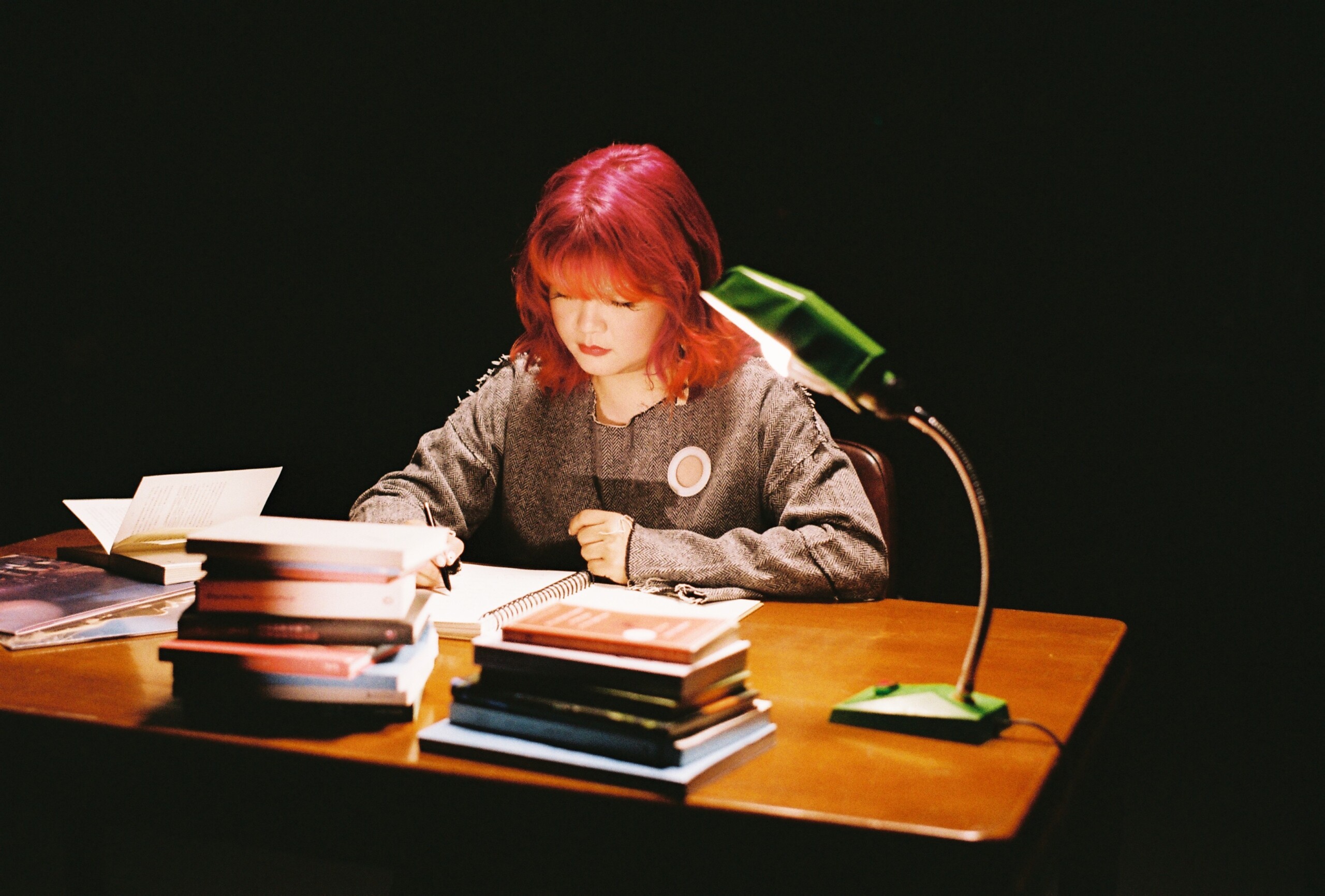
-What led you to jazz? Were you always interested in it?
No, I wasn’t a jazz listener from the beginning. For many children in China – especially in earlier years – there weren’t many opportunities to be listening to jazz from a young age. Maybe younger generations have more access now, but when I was growing up, it wasn’t very common.
I started becoming aware of jazz around high school. At first, I was learning about its rhythms, vocabulary, and the way musicians interact.
What fascinated me was that jazz isn’t just one fixed style- even listening to other types of music, I can feel jazz across different genres too. It’s almost like water or air – it can exist in many forms and change shapes- it’s very flexible. And I was really drawn to its flexibility and ability to fuse into other types of music.
I also attended the JZ Jazz Festival in Shanghai, which had a big impact on me. The atmosphere was very special – relaxed, but also exciting and intense at the same time. That combination of feelings made it a very unique and fulfilling experience. From there, things developed naturally. My work became connected to jazz, and eventually I became a jazz singer. It wasn’t something I planned – it just happened organically. Back when I was a kid, if my parents had planned a strict musical path for me, I might not have ended up in jazz at all. So in a way, it feels like jazz chose me- in a way it was like a kind of improvisation (laughs).
-Can you tell us more about the local Shanghai music scene?
Shanghai’s openness and inclusivity drew me here from Jiangsu. Over the past decade, I’ve watched it grow from a niche interest into a community with more listeners and genuine momentum. The city has jazz roots dating back to the 1920s, and today it’s an experimental field that keeps growing slowly but steadily.
I started behind the scenes at JZ Music, learning by watching live shows at JZ Club and the annual JZ Festival. That immersion became my real music classroom.
My first band project was Little Happiness Group. Together we recorded our first EP, and every album I’ve made since has been an evolution from that starting point. All of us have been growing in our own ways—some have become excellent teachers or professors, others are now well-known artists. I’ve also grown into a more confident creator. I feel lucky that I can still collaborate and record with them on different projects and at different times. That warmth is what our community is all about.
-I want to ask you about your last album Queen and Elf- it’s such a beautiful blend of jazz and more ambient moments, as well as many other influences and genres. Can you tell me more about your creative process?
My second album is something I invested myself in very deeply—both musically and conceptually. My first album, “Lost for Words,” documented different periods of my life and creative experiences. But the second album reflects a much stronger level of personal involvement. Some listeners feel it’s very “jazz,” while others think it’s not “jazz enough.” I think that reflects how different people define jazz based on their own listening experiences. For me, those reactions are meaningful, and made me feel happy that my music isn’t easily defined by a simple answer. This album reflects my evolving relationship with music—especially how jazz has influenced me over time. It also contains many small stories, both in the music and the lyrics, that reflect my life and personal growth.
In terms of production, I paid a lot of attention to balance and subtlety- balancing different sounds, textures, and atmospheres. I carefully arranged instruments, worked closely with musicians, and shaped how each piece should feel. The title “Queen and Elf” represents duality. Many things in life have two sides. Like in films, characters are often portrayed from both positive and negative perspectives, and directors rarely give a definitive answer about whether someone is “good” or “bad.”
I wanted to bring a similar feeling into this album. Rather than clearly defining what “Queen” or “Elf” means, I present different impressions and let listeners interpret them. At its core, the album explores connections – between identities, between states of mind, and between ourselves and the world.
-One of the tracks on the album ‘Muse (For Joyce)’, which you’ve recently released a music video for, is written in tribute to Brazilian artist Joyce Moreno; what about her has influenced you as a vocalist and a writer?
What fascinates me about her is that she doesn’t have a traditionally “sweet” voice – there’s something very direct and honest about it.
What’s interesting to me is that she didn’t take a conventional path into music- she even worked as a journalist during her university years, which really resonated with me as I also studied media in university. And while she was studying, she was already collaborating with great Brazilian musicians, writing songs, and developing as an artist. Later, she also documented Brazilian music while continuing her artistic career. All of this made me feel very connected to her.
Musically, her work is beautiful but also very expressive. You can hear both the elegance and mysteriousness of Brazilian music and a more advanced, experimental understanding of harmony and rhythm. So this song is a tribute to her. We released the music video this February. It’s meaningful to me because the song became the most streamed track from the album after its release in November 2024. But the reason I made the video wasn’t just because it was popular – it’s because I personally love the song and wanted to express my tribute to Joyce again in a visual form. On tour, I played this song as the opener, and not only myself but my fellow touring musicians loved the energy when playing this song together.
-Which other musicians have influenced you?
There are many. Besides Joyce, I also really like musicians from South America, such as Ivan Lins. In jazz, I love classic vocalists like Chet Baker and Nina Simone. Other artists who have influenced me include Pat Metheny and the British folk singer Nick Drake.
Recently, I’ve been especially into Sam Gendel. Whenever I make playlists or mixes, I always include his music. One of my main reasons for coming to Tokyo this time was actually to see his performance.
He performed with Pino Palladino, Blake Mills, and Chris Dave – I just saw them a couple of days ago. It was incredible, definitely one of the best live performances I’ve seen this year.
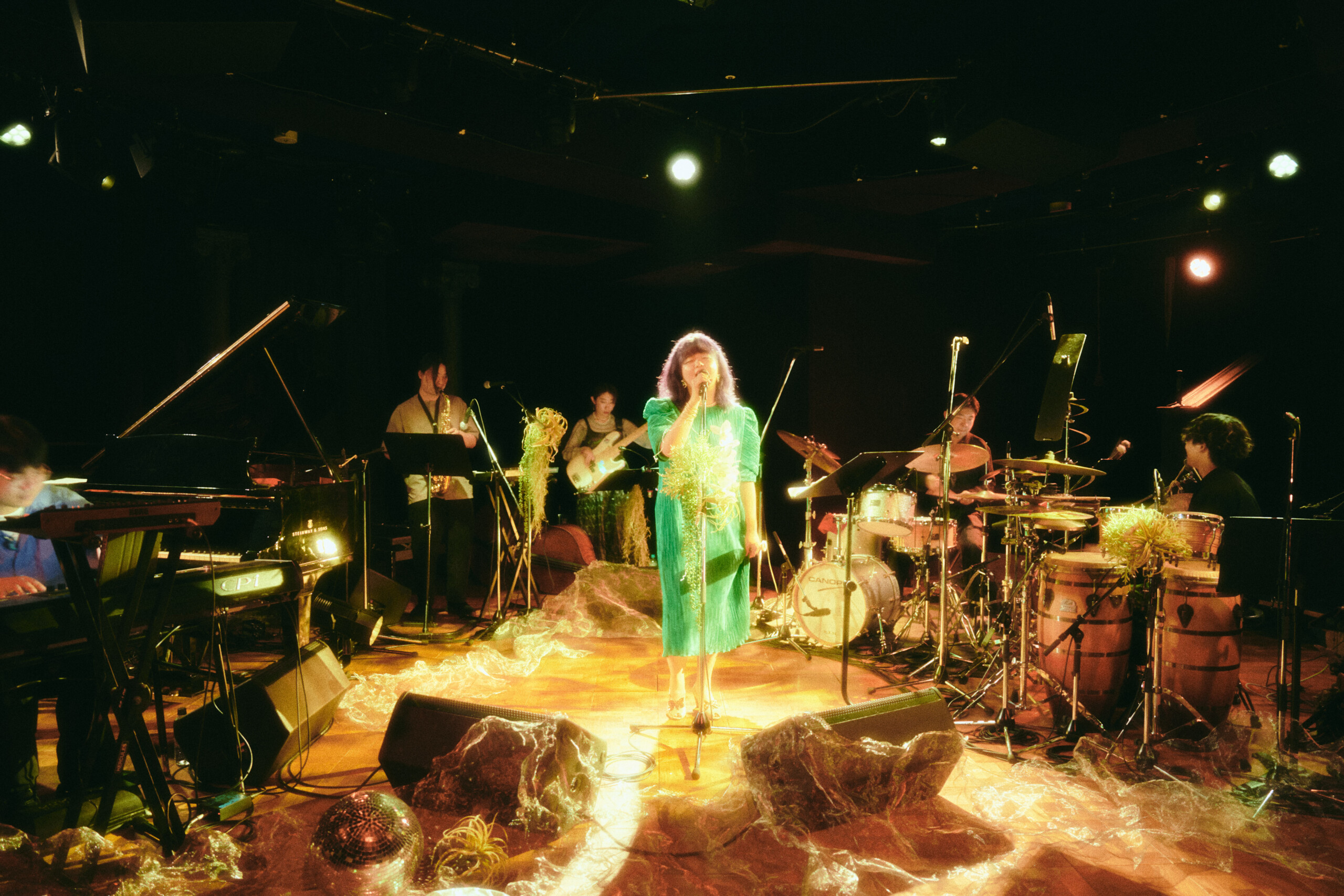
-When you perform—especially in different places like Tokyo—does your lineup affect your performance? And how do you choose your musicians?
For my Tokyo show, the lineup came together for two main reasons.
First, I’ve been coming to Tokyo frequently over the past two years, and I’ve made friends within the local music scene who share similar tastes, and I thought it was a great opportunity to collaborate with them. Second, to be frank, there are practical considerations – we can’t always bring the entire band from China due to costs. So the final lineup is a balance between those factors.
For me, what matters most is working with people I genuinely like – not just as musicians, but as people. Of course, they’re all excellent musicians, but it’s also important that they connect well with each other and have good chemistry. Because what we do on stage isn’t just technical – it’s very interactive and spontaneous. We need to communicate a lot and respond to each other in the moment. That kind of chemistry really shapes the performance.
Some of the musicians in this lineup were involved in recording the album, while others are close collaborators I trust deeply, and that combination felt right for this tour.
I noticed for your Baroom show you brought a set with you- how important are visuals in creating a world for your live performances?
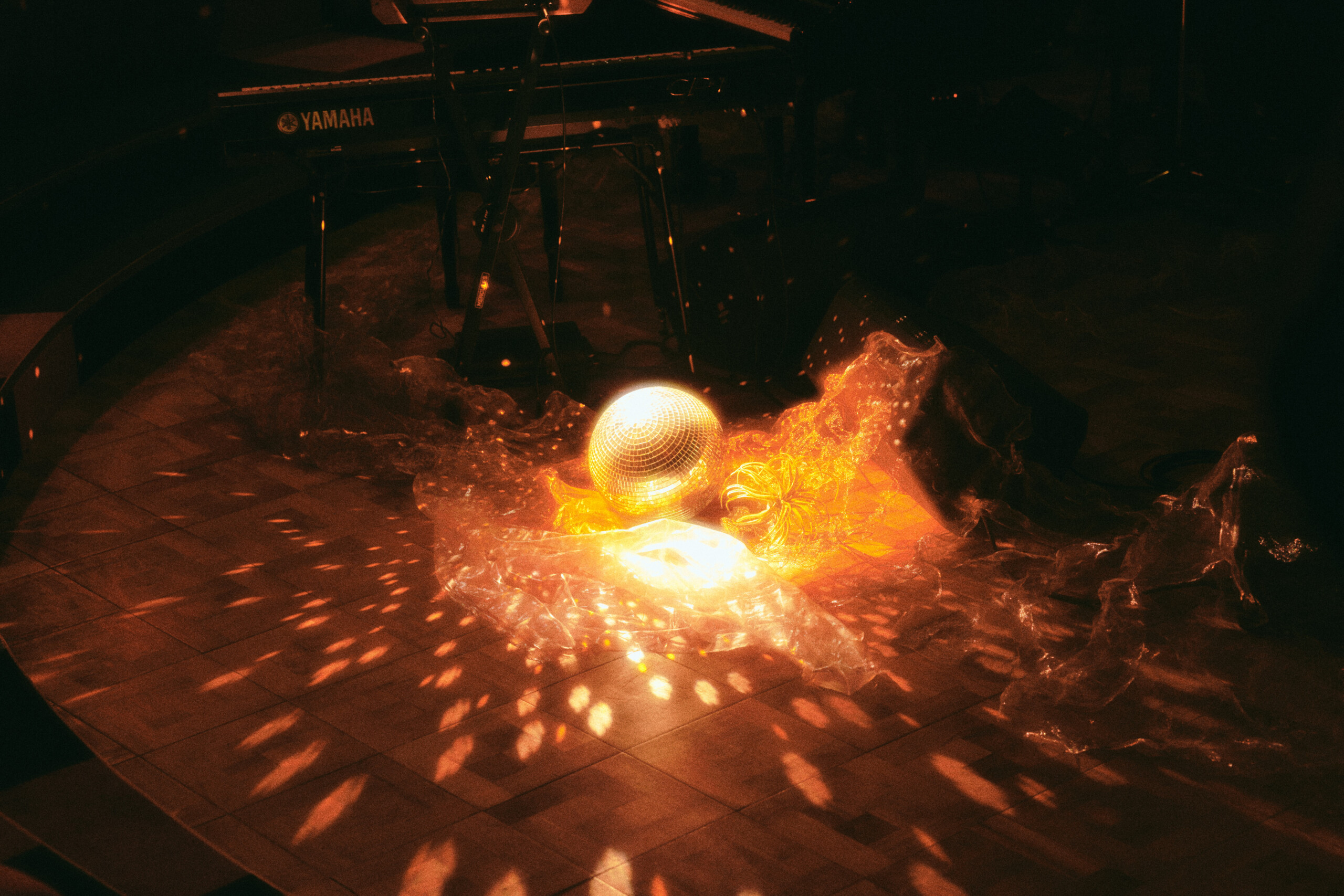
Visuals are important – but for me, music has to stand on its own first. I don’t think visuals should be used to cover weaknesses in the music. Even without any visual elements, the music itself should be strong enough. That said, on this tour, I started experimenting more with stage design for the first time. It’s not just about lighting or digital visuals like LED screens. More importantly, it’s about how lighting interacts with physical objects we bring onto the stage – like soft, flexible installations that we can adapt to different venues. These elements aren’t fixed. We can hang them differently, place them on the floor, or integrate them around the instruments depending on the space. So the visual setup becomes something flexible – almost like the music itself.
I worked with friends during soundcheck to refine these setups, adjusting them for each venue. The goal is to create an atmosphere without overwhelming the audience. It’s a subtle balance – something visually present, but not distracting. For the Tokyo show, the venue itself was already beautiful. With the added lighting and our stage elements, it felt very complete – even without relying heavily on large digital visuals. I like the idea that we have tools like screens and visuals, but we don’t need to use them all the time. Sometimes less is more.
What are your plans for future projects?
It’s 2026 now, and I have many ideas. Some could become full albums, others might be smaller EPs. I’m also thinking about starting a collaborative project – not just releasing my own music, but creating something where I invite different artists to contribute. For example, I’ve been imagining a project where we release one song per season, collaborating with musicians I admire. It’s still in an early stage, but it’s something I’d really like to explore.
I’m very inspired by artists like Sam Gendel, who are incredibly prolific and release many projects each year. That kind of output requires both strong creative energy and discipline. At the same time, I’m also thinking about shifting perspectives – maybe stepping into different roles in the creative process to keep things evolving.
Additionally, I’m currently working on another album with a producer friend. It’s still in progress, and it will likely explore more soul and fusion influences. I’m also writing music that blends folk, jazz, and alternative elements. That’s a direction I’m really interested in right now.
Do you have a message for your fans in Japan?
Even though I don’t have a huge audience in Japan yet, every time I come here, no matter the size of the venue, I feel moved to see that there are always people who come to listen – some new faces, and some who return again and again. That means a lot to me. I also deeply respect how Japanese audiences support musicians and artists. I think that comes from a strong cultural foundation.
My friend was telling me that I already seem really familiar with Japan as a working environment in terms of finding where to rehearse and play shows, and I already feel quite settled into Tokyo as a city. I really respect the supportive environment here, and I’m very grateful to the organisers and supporters, like TSUBAKI fm and others who have helped make these performances possible.
I hope to have more opportunities to perform in Japan in the future – especially at festivals – so more people can discover my music. Of course, I know these things take time, and I don’t want to rush it, so for now I’ll keep working hard and appreciate any new supporters of my music. As a foreign artist, performing here comes with uncertainties. But I feel lucky that I’ve been able to connect with the local music scene in an authentic way. I know there are other Chinese musicians also trying to perform in Japan, but I try not to follow a fixed path. I want to approach this as an individual – experimenting, adapting, and finding new possibilities. Many international artists come in with a set formula. I’d rather stay flexible and open.
I know some great artists that have played here before and were really successful, but some find it hard to break out of the Chinese market. Of course I want to see more Chinese people at my international shows too, but if I can also get a more local audience, that would be really meaningful and fulfilling for me. Looking ahead, I also hope to collaborate more with Japanese musicians, including recording projects together. And I hope more local listeners will discover these collaborations and connect with what we create.
Can you tell us about the concept of your mix?
These pieces didn’t come to me all at once. They fell into my ears in different years, in different ways – some just randomly played late at night, some appeared as I kept digging along the musical trail. I simply listened, absorbed them without even realizing it, and before I knew it, they became part of who I am today. When I put this mix together, I didn’t want to think too much like a DJ. I didn’t want an over‑arranged set or a functional playlist. More than that, I wanted to weave a narrative line – like telling a story, with gentle ups and downs, and subtle emotional turns.
“River Man” – Nick Drake showed me what gentle yet powerful folk music can be, and what real sadness feels like. “Red Wine” – that loose, sexy groove. I’ve always wanted to capture something like that in my own music. Henry Mancini’s “Slow Hot Wind” – easily in my top 10 for melody and atmosphere!
Fang Datong (方大同 / Khalil Fong)’s “Nan Yin” is very special to me as a Chinese musician. He lets traditional stories grow an R&B / Soul body. He’s my idol, and I will always miss him. “A Wish” and “Beira Rio” – both have such a strong live feel, full of real, solid musicianship.
“I Want You” – “how elegance and desire can coexist”. A perfect pop song. “Singing” – I looped it hundreds of times back then. Who knew acoustic instruments and electronic atmospheres could talk to each other like that? Björk – I chose two tracks in a row, “Mycelia” and “Her Mother’s House”. The way she builds sound almost reshaped my whole understanding of the voice. Pat Metheny’s “Are You Going With Me” – every time I hear it, I feel like I’m flying through time.
“The Greatest” – quiet yet rich modern soul. I’ve already seen Sam Gendel three times in Japan! His cover of “Goodbye Pork Pie Hat” – he showed me that a jazz standard can be completely taken apart, rebuilt, and turned into the language of right now.
Interviewed by Hannah Green
Edited by Amica Baxter
Japanese translation by Midori Aoyama
Interpretation by Jiawen Kei (カブン ケイ)
-日本語版はコチラ